Posted on Leave a comment

June and the year is flying!

Well what a difference a month makes. Back at the start of May I was busy moaning about an awful spring, wettest on record and so cold. Saying how the bees had produced no spring crop and wondering what the plan was.

Fast forward to now and the honey crop is looking amazing, the bees are firing on all cylinders and we’ve gone from worrying they have too little food to worrying we can’t keep up with giving them enough space to store it all.

We’ve been really busy producing the first queens of the year. The process involves moving day old larvae from the selected breeding colony, one that we think has great qualities like calmness, disease resistance and of course, good honey production. The larvae is then placed in a colony with no queen and through natural instincts they produce queens cells which later hatch as queens.

Through this process we can produce up to about 30 queens a week which is more than enough for us to make the increase in hives that we want.

Currently while I’m sat writing this I’m just outside York having finished my first day training for a scheme called DASH – Disease Assurance Scheme for Honeybees run by The National Bee Unit part of DEFRA. This should mean I am able to manage notifiable diseases that impact honey bees in the UK as well as manage the treatment of the hive if they are found. It’s a course that I think will be really helpful to ensure our bees are as healthy and well looked after as possible while also reducing the amount of checks we have from the National
Bee Unit each year.


Thank you for reading our blog again this month, it’s a little shorter as i’ve been so busy but hope to do a longer one in the next few months!

We will be at The Open Air Country Fair on the 3rd and 4th June so please do come along and support lots of great local businesses.

Thank you

Matthew Ingram
Holt Hall Apiary

Join our mailing list for 10% off your first order!

Posted on Leave a comment

The New Season is nearly here!!

Well where did March go…? It seems only 5 minutes ago it was February and the winter was feeling long and then suddenly we are in April starting to move bees to their spring sites and seeing the first of the Blackthorn out in full bloom and the Oil Seed Rape just starting to show off it’s yellow flowers. Give it another two weeks of fairly warm weather and the bees will making the most of these flowers and hopefully bringing in lots of pollen and nectar.

Oil seed rape is what we use to make our creamy soft set honey and a lot of our infused honeys too!

Back in the honey room as we’ve been super busy jarring our honey and jarring honey for other brands too. Many people don’t realise that we actually process honey for quite a few different brands all around the UK due to our accredited production facility. 

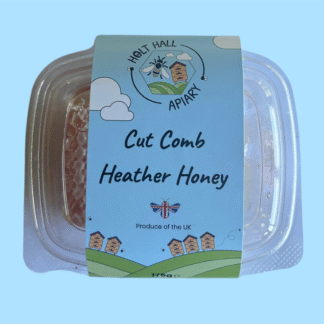
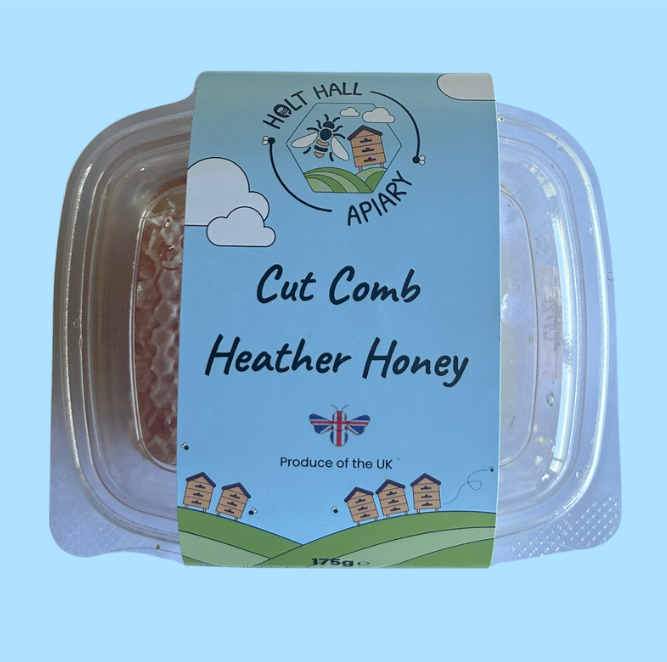
In the photo above Misha is learning how to make the perfect sized but comb from our amazing heather honey. Each slice is cut by hand, weighed and labelled to make sure they’re all perfect. If you’ve not had cut comb its well worth a try and is the most traditional way of eating honey. – CUT COMB

Many of you may have come across and article this month in many newspapers claiming that in an EU study all UK honey tested showed signs of adulteration – https://www.theguardian.com/food/2023/mar/26/uk-honey-fails-authenticity-test

I just wanted to bring this up because all of those samples are from large producers importing honey from overseas and mainly China. Honey produced by British beekeepers is extremely good and trustworthy. Here at Holt Hall Apiary we are able to trace every single jar of honey we produce back to the site it was harvested from, the day we harvested it, the day it was jarred and we keep all of this so that we can be 100% we are only providing our customers with the best product possible.  


Thank you so much for reading our blog and supporting us it really does mean so much.

We are out at a couple of markets this month:
Market Bosworth – 23rd April 9am – 1:30pm 
Planters Garden Centre Open Air Country Fair – 29th – 30th April 

Thank you again
Matthew Ingram

Join our mailing list for 10% off your first order!

Posted on Leave a comment

Hap-bee New Year

Happy New Year! It’s been lovely to have a few days off over Christmas and I hope you have all had a great time relaxing with friends and family. 

We are back to work this week with our main job being building hives. As soon as the season starts we won’t have time to build extra equipment so we want to get it done before April time so that we can expand rapidly when the weather improves. 

Alongside the woodworking we are also busy in the honey room processing lots of honey for ourselves and for other people as well. Just before Christmas we had our record processing day, managing to fill, label and pack 1,542 bottles of honey for another brand in just one day!!

IMG_9250

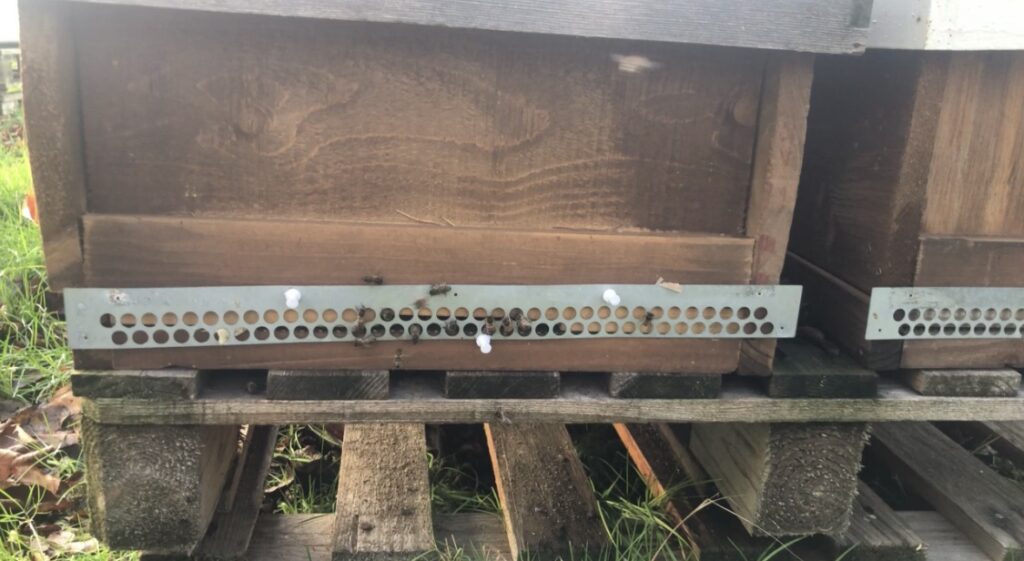
Back with the hives the bees are remaining active due to the mild weather. The metal grid on the hive to left(above on mobile) is a mouse guard, we add these too all of our hives to make sure mice don’t get into the hives looking for food and damaging the bees. 

We have done some early checks for food and added fondant which is basically solid sugar which provides emergency food to the bees who need to do very little processing to make it edible to them.

Next month I will be able to show you how we treat our bees for Varroa Mite which is really important to bees health. 

I’m going to leave this blog a bit shorter this month but rest assured we are still busy and if you have any questions about what we are up to or anything about our bees just get in touch!

I feel I ought to mention for those suffering with a cough or cold the NHS now recommends honey and honey and lemon (Link Here) so don’t forget all of our honey is naturally produced with Runny, Soft Set, Heather, Cut Comb and Chunk have absolutely nothing added and is exactly how the bees made it! You could try our Lemon Infused Honey too which has lemon zest and juice added to the honey.

We will be at Market Bosworth Farmers Market on the 22nd January 

Thank you as always for your support
Matthew Ingram

Join our mailing list for 10% off your first purchase and access to our honey of the month emails which offer 10% off one selected honey each month.

Posted on Leave a comment

November.. where has the time gone?!

I can’t believe i’m writing this already. Each month I seem to think the blog comes around faster than the month before. At the start of November I managed to get away for a weeks holiday and had a great relax, but as soon as I was back I was back onto all of our jobs!

Over the past few years by November all of our ‘bee jobs’ (the jobs that require working with the hives themselves) have been finished but this year because of the mild weather and lots of other jobs getting the way i’ve found myself in my beesuit throughout the month and even have one or two small jobs left to do in December.

Winter is the most nerve wracking time of year for me as a beekeeper, I just have to trust that all we have done getting the bees ready for winter has been enough to ensure the bees are as healthy and well fed as possible. 

So far the mild weather has allowed them to move around easily so we have had no issues but I do worry that if the mild weather continues they will consume far more stores as they will remain active which will create problems come March and April when the hives need a lot of food to grow stronger for the season ahead. Bees in cold weather cluster together very tightly and need to consume only a small amount of food to survive.


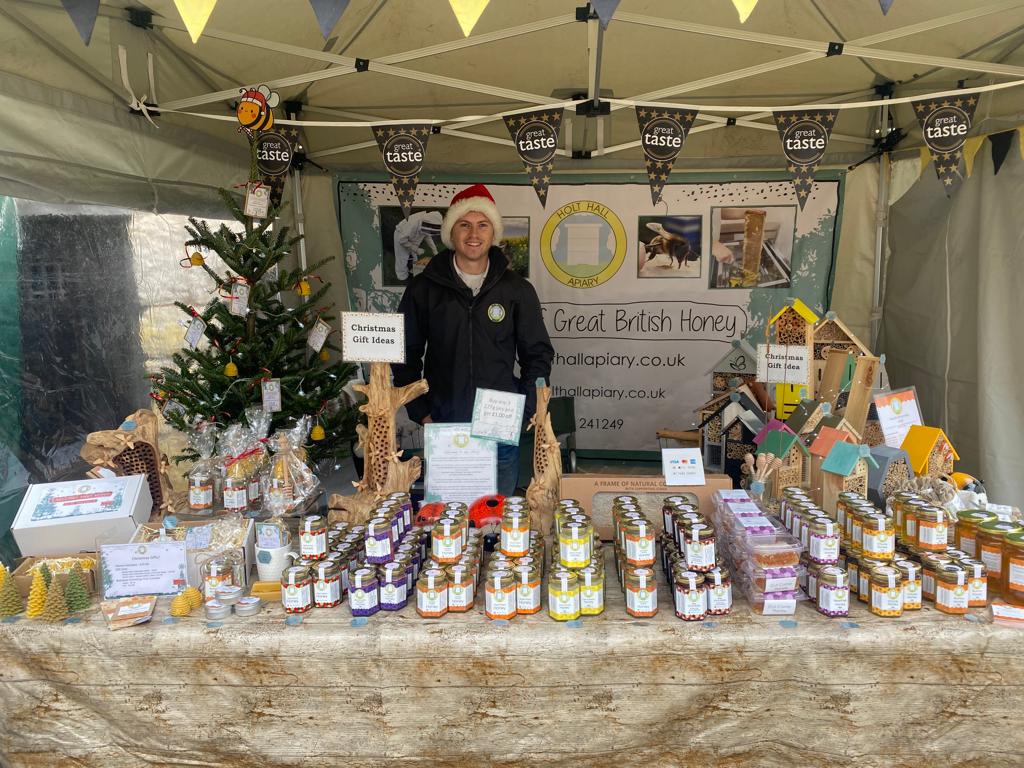
Away from the bees we have had a busy month on the markets which have been really well supported so a massive thank you to all our customers. Christine (Mum) has worked hard on our Christmas display managing to persuade me to carry a live Christmas tree to our larger events to be covered in bee related items.

We have a few markets in December so if you’re still on the hunt for gifts please do come along to local markets you’re sure to find some great gift ideas. 

3rd & 4th December – Ashby Food Gusto (Ashby – de – la- Zouch) 10am- 5pm
3rd December –  Quinney Hall (B75 5SD) 10am – 4pm 
4th December – Pinwall Feeds Christmas Fayre (CV9 2NH) 9am – 4pm 
13th & 14th December – Astley Book Farm (CV12 0NE) 5:30pm – 9pm 
18th December – Market Bosworth Farmers Market 9am – 1:30pm

A very exciting new development this month has been opening applications for our first bee farmers apprentice. This is a great opportunity for someone aged between 16 and 24 to take on a 3 year course to work with us learning about bee farming while working full time in the industry. It’s a fantastic course and more details can be found here – https://beefarmers.co.uk/about-bee-farming/rowsebfa-apprenticeships

If you are interested in applying or want more information please email us on info@holthallapiary.co.uk

Get your gifts in time for Christmas!

Due to the strikes going on and the potential disruption we are going to stop taking orders slightly earlier this year to avoid disappointment by late delivery 

2nd Class and courier option cut off will be 23:59 18th December
1st Class Cut off will be 23:59 19th December
Collections from Planters can be made any time up to the 22nd 

Thank you all for your support throughout 2022 it means the world to me that my business is being supported by local people. Hopefully 2023 will be another good year for Holt Hall Apiary and in the next blog I will try and write a bit about what we have achieved through 2022 and our goals for 2023!

Matthew Ingram
Holt Hall Apiary

Join our newsletter and get 10% off your first order as well has 10% off a honey of the month each month

Posted on Leave a comment

Winter is coming!

Well this month the weather has given me all the excuse I need to come in and write my blog. I’m actually writing this two days  before the deadline (a miracle) owing mainly to the dull and damp weather we have had the last day or so. The overnight temperatures are certainly starting to push the bees into winter mode and their numbers are dramatically reducing as they do each year. Our large production colonies that may have had 60,000+ workers at their peak just a month or two ago but will now be on their way down to around 10,000. 

Our honey harvest is nearly over with just a bit of Heather left to process. Despite the very very dry weather and poor start to the year the bees have generally performed well and yielded lots of honey which is great for us. 

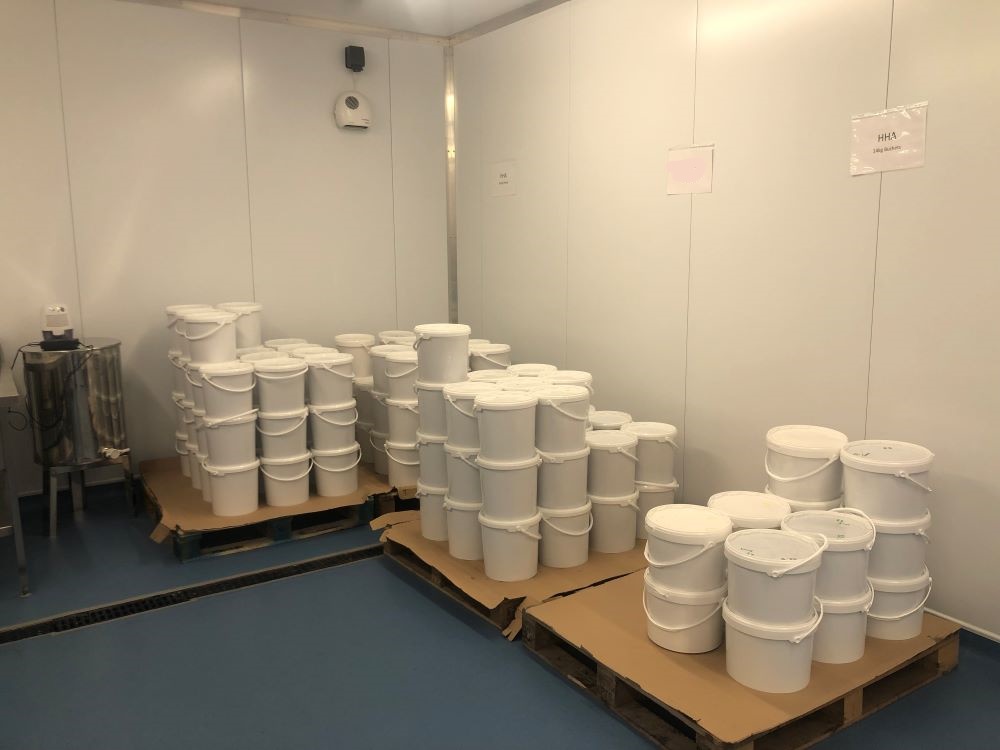
After we harvest the honey we strain it into buckets where it’s stored until we need it. Then we gently warm the bucket up so that it’s runny and it goes through our jarring machine we then hand label it and send it out.  

The photo shows some of our honey buckets. For those that have been following for sometime you will know that we had a new much larger honey room last year that was supposed to last a very long time and already it’s looking a bit on the full side!! eek!


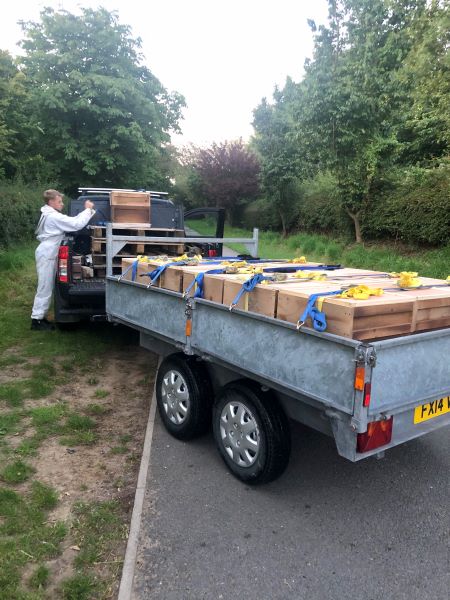
The bees are back from their trip up north. Although only last month I was talking about them having gone up to the Peak District this month the heather has finished and the early start was once again happening. Bringing them back is worse though because you have to set off extra early to get the bees loaded up before they start flying. So at 4am off we go. We made great time and loading the trailer only took 40 minutes which was great. Our issue came when we got stuck in traffic on the way home. What the people behind us must have though seeing beehives with bees moving around under the net must have though, I was just glad we put the net on! 

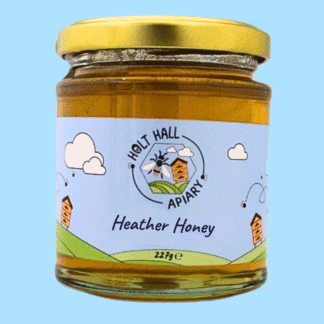
Heather is an amazing crop – Dr Adrian Charlton of FERA has found that Heather Honey contains 10x the amount of the essential nutrient Manganese than other honeys. He tested 200 other honeys including Manuka. It is also now the second largest source of Manganese in the world. 

If you’ve never heard of Manganese then here is a bit about it: Manganese is an essential mineral. As well as its high antioxidant qualities, it plays a role in helping to make and activate enzymes in the body involved in protecting tissues from damage and in the metabolism of nutrients. It also helps maintain healthy bones. 

This month we are a bit quieter on the markets with only two in:

  1. 22nd &23rd October – Open Air Country Fair at Planters Garden Centre
  2. 23rd October – Market Bosworth Farmers Market 
As always thank you for reading our blog, if you have any beekeeping questions get in touch by emailing info@holthallapiary.co.uk
 
Matthew Ingram
Holt Hall Apiary
Posted on Leave a comment

The bees are coming home!

The start of October has certainly seen a shift in the weather and it really does feel like we are in autumn now! The leaves are changing, the temperature is dropping overnight and unfortunately for the first time in about two years I have got a cold. This month has been a bit of a mix of jobs but focussing heavily on our new honey room and getting the bees moved to their winter sites and fed.
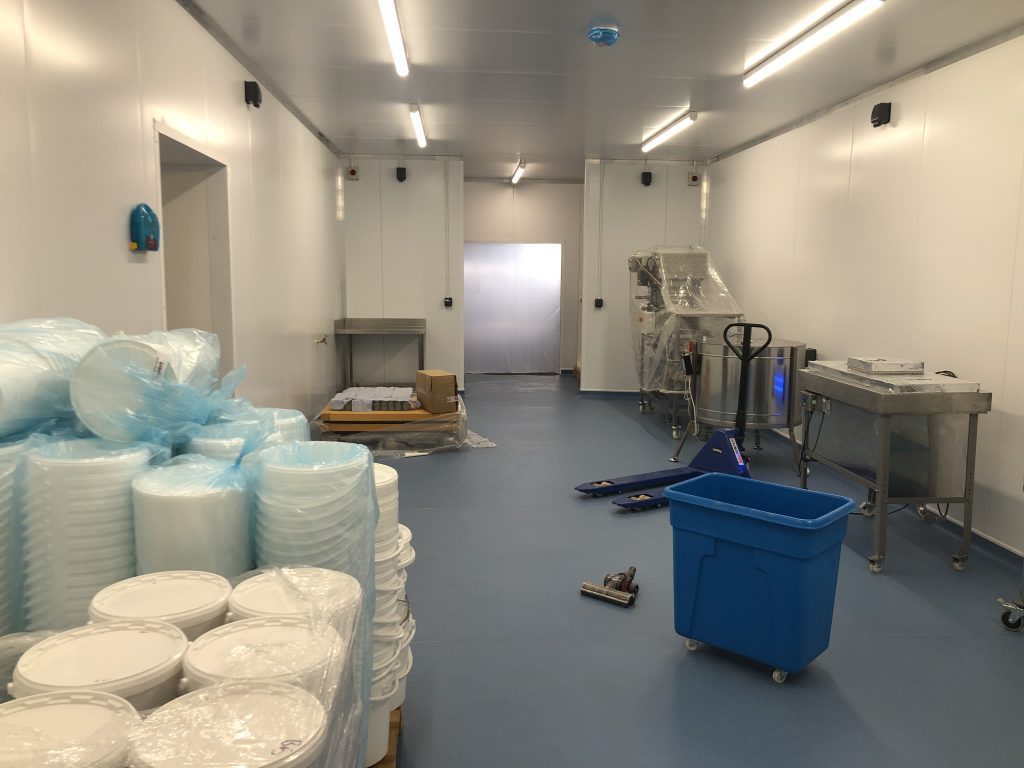
The not quite finished room!

The new honey room isn’t quite done just yet but it’s coming on nicely! We are now only waiting on the door (A rather important part!) and the heaters which hopefully will be done in the next two weeks! The new honey room connects into our old room and is going to allow us to process far more honey, both for ourselves and for our packing and own label customers.

Our major bottle neck in processing has been warming large amounts of honey, the new room has two built in warming areas that can both warm two pallets at a time which would be over a ton of honey in each one! The other major advantage to the room is storage space that’s something we have struggled with in the past so it’s great to be able to move around in there properly without tripping over!

As well as building the new room we have been busy getting the bees moved! Almost all of our bees are now at their winter sites. Most beekeepers don’t move their bees for winter however I find it really helps me keep on top of jobs and save fuel when I can go to one or two sites and feed all of the bees in one go rather than driving around.

The bees were moved back from the heather moors now it has gone over and we are really pleased with the amount of honey produced this year, now its just the mammoth task of getting it ready for our customers to enjoy! Unlike our jarred honey we produce comb honey from the heather which takes quite a lot more time to get right, but the end result does look amazing!
This month we are a bit quieter on the market front but remember all of our honeys are available at our stockists which can be found – HERE or directly from us via our website

23rd & 24th October – Open Air Country Fair, Planters Garden Centre 10am – 3:30pm
24th October – Market Bosworth Farmers Market, 9am – 1:30pm

Thank you all for reading our blog, I’m hoping as winter arrives and I get more time I will be able to share more with you and show you some more of our honey room and spring prep!

Matthew Ingram
Holt Hall Apiary

Processing…
Success! You're on the list.

Posted on 1 Comment

Bees On The Move

Last month I spoke about how good the weather had been and how well the bees were doing, unfortunately after the month of below average temperatures the bees have largely stopped producing honey. Many beekeepers around the UK have found the season seeming to end much sooner that last year. Hopefully the weather will turn again though and we will have lots of late season honey!

The big event for this month was moving bees to the heather. I got all of the hives I was moving ready the evening before I moved them and was then up at 4am the next morning to begin the move! All the hives were safely loaded onto the trailer and strapped down. By 4:50am I was heading North to the Peak District.

After an hour and a half driving I reached the site where the bees will be for the next 6 weeks. I unloaded the hives onto their pallets and released the bees by removing the masking tape that had been used to block the entrances while in transit. The bees were soon out and about inspecting their new (windier and colder) home.

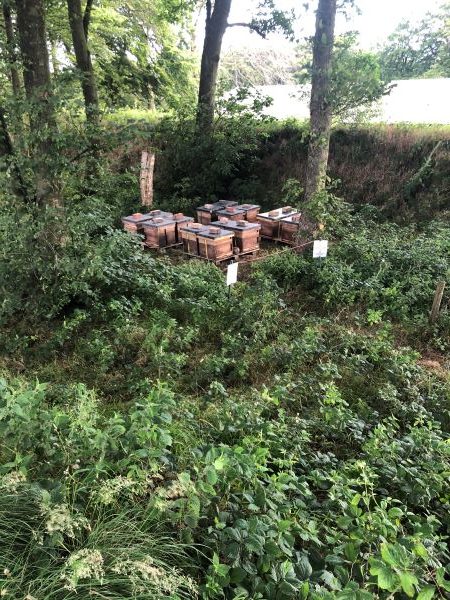
A week after the bees were taken to the moors I went to check them, unfortunately due to the cold weather the bees had burned through their stores and were looking quite hungry! Each hive had a frame of honey that I stored from the spring for use at this time of year. I’m hoping that after a few days of warm weather I will see a big improvement and lots of honey coming in!

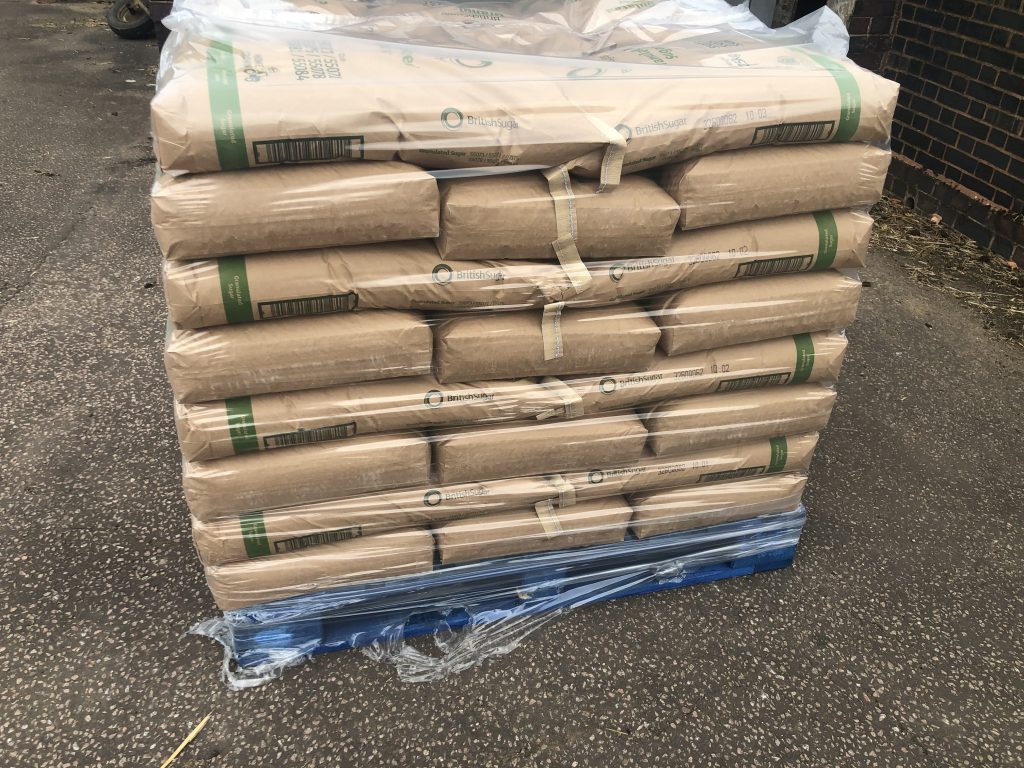
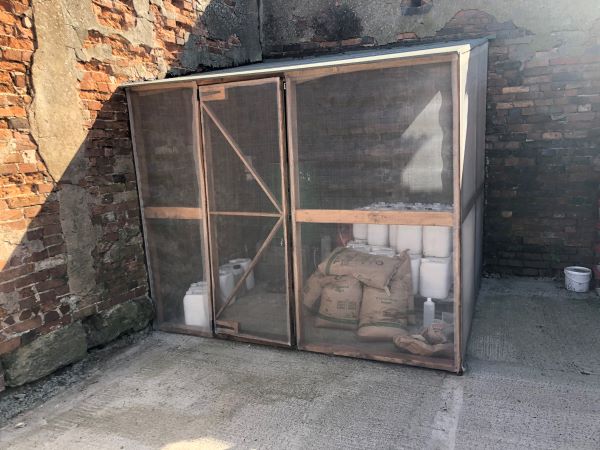
This month has also been the real start of winter preparations, right at the end of July I took delivery of 1 ton of granulated white sugar. This sugar is mixed to produce a thick sugar syrup that we use to feed the bees to ensure they are in peak physical condition to over winter.

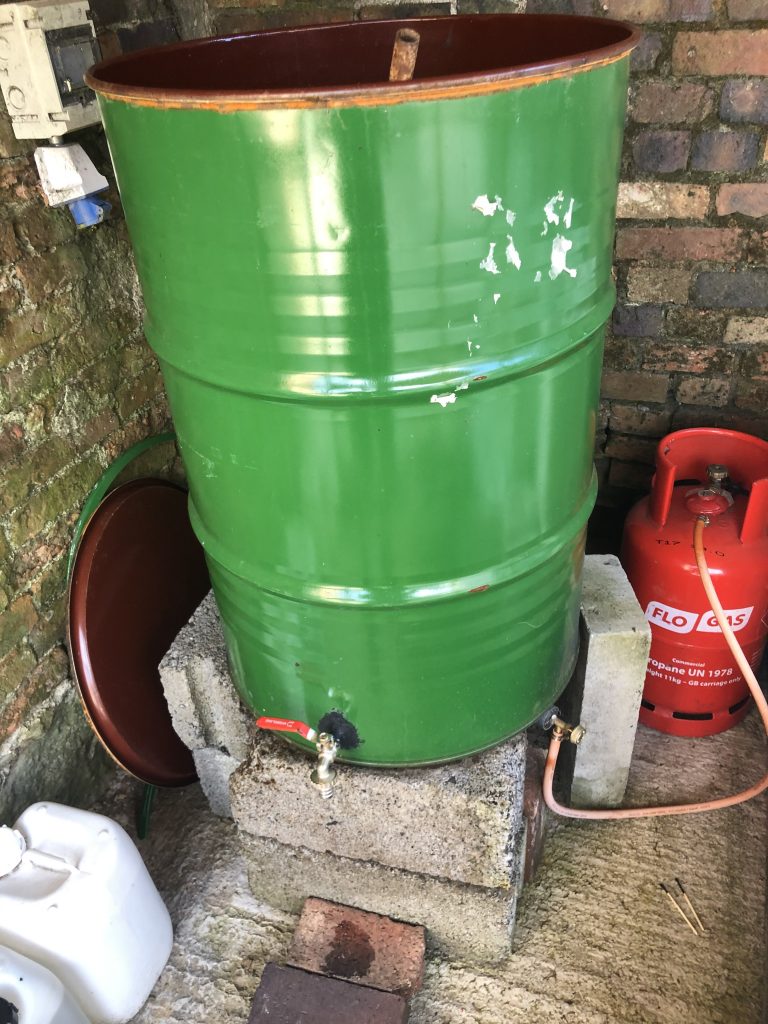
Any beekeeper will tell you that making sugar syrup is a sticky job and one not many enjoy. I’ve tried quite a few ways but have now settled on using a 200l tank over a gas burner. I fill it just over 1/3rd with water and let it get quite hot. I then add 175kg of sugar one 25kg bag at a time stirring regularly. Once it is mixed well I add thymol, a chemical that stops the syrup from going off when it is stored for a long time.
In August I will be at a few markets so please do come down and see us if you can.

  • The Open Air Country Fair – Planters Garden Centre B78 2EY – 1 & 2nd August 10am – 4pm
  • Buzzards Valley Artisan Market – Buzzards Valley B78 3EQ – 9th August 10am – 2pm
  • Market Bosworth Farmers Market – Market Bosworth main square – 23rd August 9am – 1:30pm

Thank you for reading our blog, next month we will be talking about harvesting our honey and walk you through the whole process from hive to jar!

Matthew Ingram
Holt Hall Apiary

Posted on Leave a comment

Rain Rain Go Away!

I’m sat writing this on the driest morning we have had for a week or so now. I feel like I should start by saying I think we needed the rain, everything was so dry which eventually would have impacted the growth and flowering of summer plants which obviously wouldn’t have been good for bees. So part of me is glad we got a good soaking… However I just wish it could have come with a few breaks rather than a week of solid rain.

This post is going to give you a look at how we feed the bees when they need it! This week with the natural lack of June flowering plants and the rain means the bees couldn’t really go out foraging and has meant the hives have burned through food at an alarming rate. Some strong hives with plenty of food at the start of the week had almost entirely eaten what they had.

There’s a few different types of feeder available some are better suited to certain hives and management practices. I’ll go into the ones I use later on, but first the food. In the same way you will have seen articles on the internet telling you to save an exhausted bee with a teaspoon of sugar water that is essentially what we do but on a bigger scale. I just want to note that some articles suggest leaving a bowl or saucer of sugar water out all the time, please don’t do this! Bees don’t need feeding that often and each hive is different, bees will bring sugar water back and process it into honey meaning the beekeepers honey crop is now adulterated and not true honey.

We make our own syrup (sugar water) up during the season but we are considering buying our winter syrup in as there’s a lot to make! Basically speaking we 3/4 fill a plastic Jerry Can with sugar and then add water until the Can is full. Sometimes it can be difficult to get all the sugar to dissolve but by using warm water and shaking it for quite some time most of it does. So far this week we have fed about 25kg of sugar with more to go today.
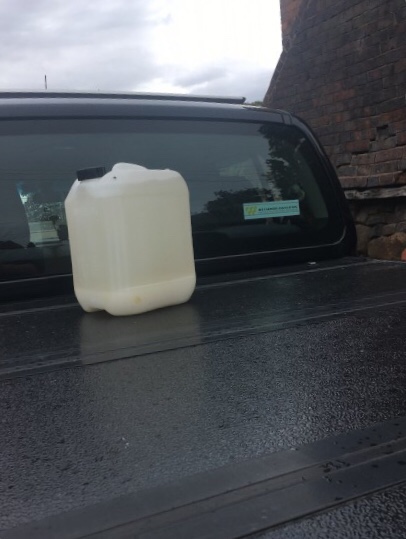
You can see we haven’t quite finished mixing the sugar in yet!

The most common feeder I use is called a rapid feeder, these are plastic bowls with a central hole that stick up to the top of the trough. Basically the bees crawl up through a hole in the crown board to access the syrup. The plastic cover stops the bees being able to get completely into the syrup and drowning, these are my favorite feeders. The type I am using is 2.5L which is a little small for winter feeding and means you do have to refill them quite a few times.

The second type of feeder we are using at the moment is a miller feeder. These come as standard on this particular type of hive. The bees crawl up inside the feeder like with the rapid feeder but the two wells on either side can be filled up which goes under a small gap into an area where the bees can get access to it.
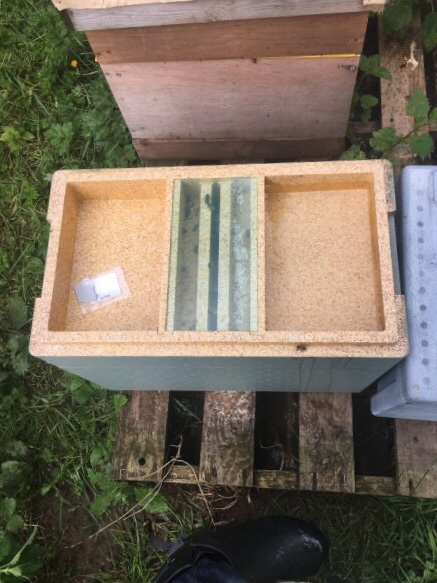
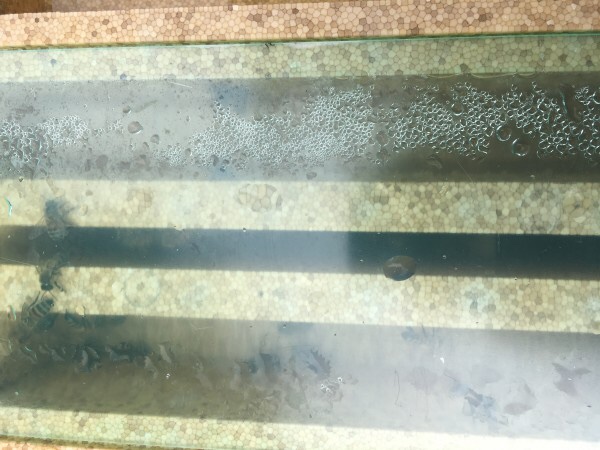
There are loads of different types of feeder out there but I don’t think for non-beekeepers it’s the most interesting of topics but I do think its really important that people understand the full picture of beekeeping in the UK and issues we can come across. Next week I will as I think I promised two weeks ago write a blog about extracting and jarring honey!

Thank you for reading and supporting this blog

Matthew Ingram